How do you know you've made a good design decision?
Time, mostly. You can argue about a design decision for weeks, but time is what settles it.
OPay's earlier cards did what most fintech cards do: brand colours, clean geometry, the look of digital money. They looked credible and photographed well. They also said nothing to the woman running a shop in Mushin, or the student at UNILAG collecting their first card from an agent. OPay's market was never the design-literate early adopter. It was everyone else.
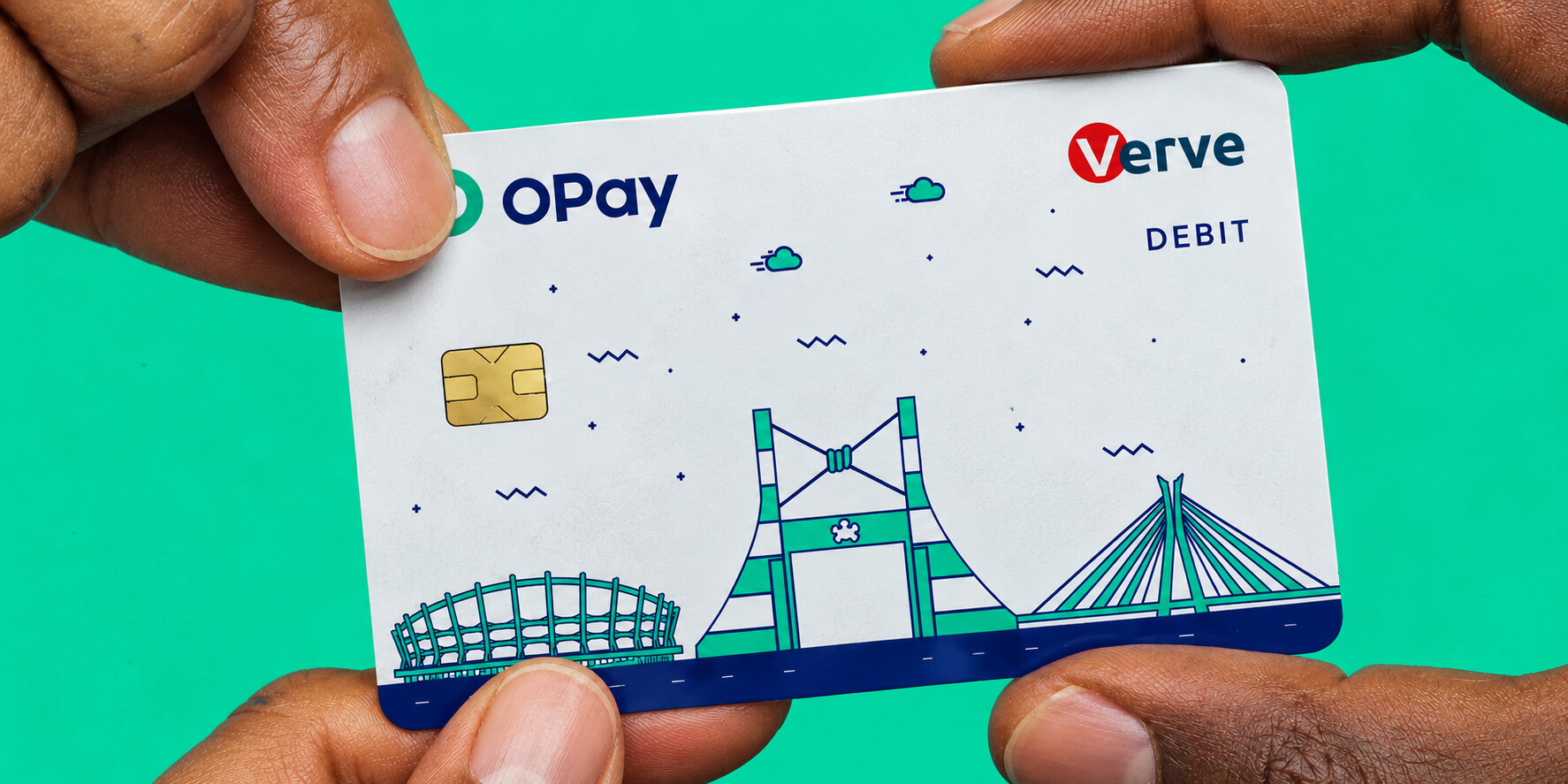
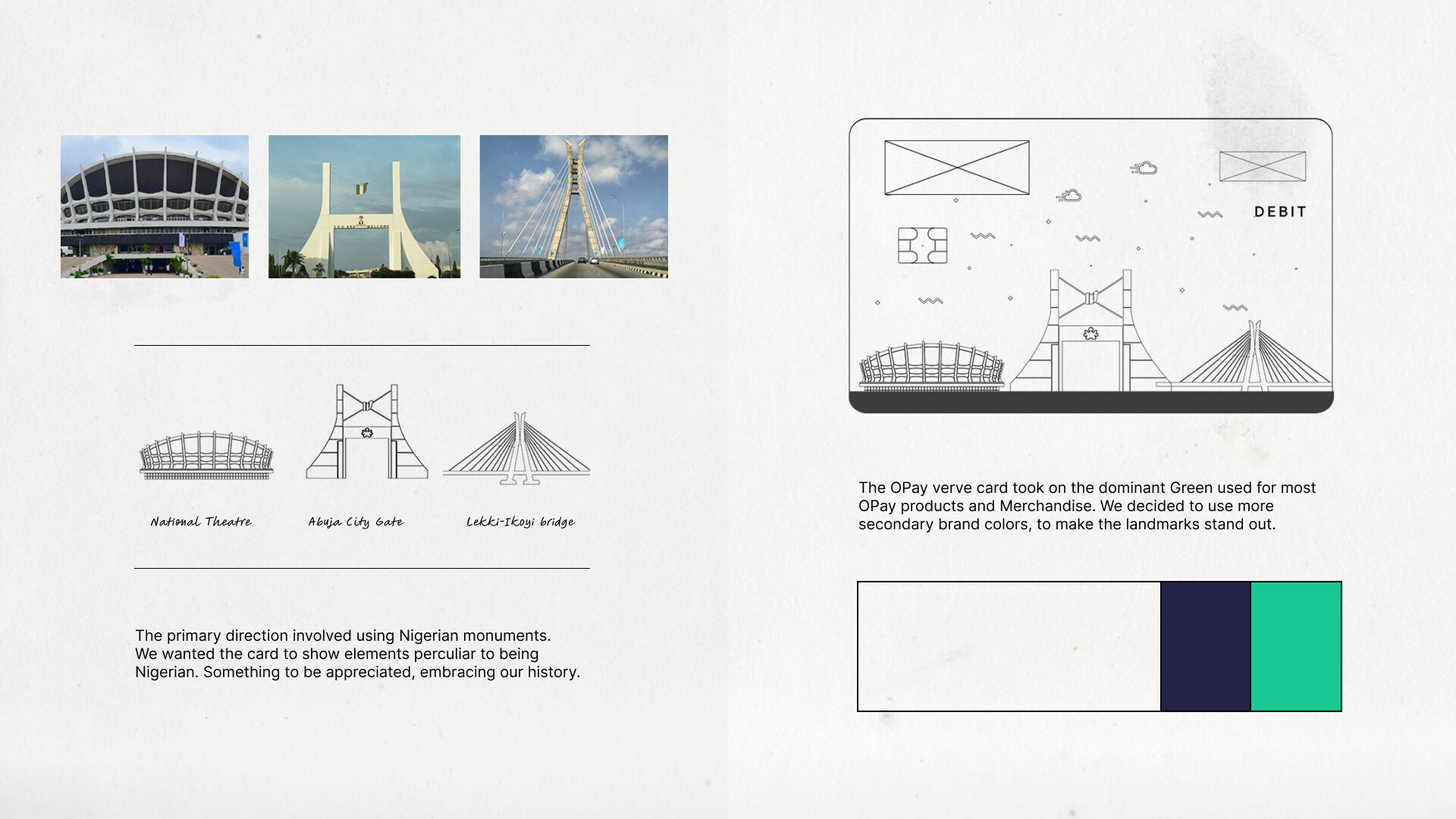
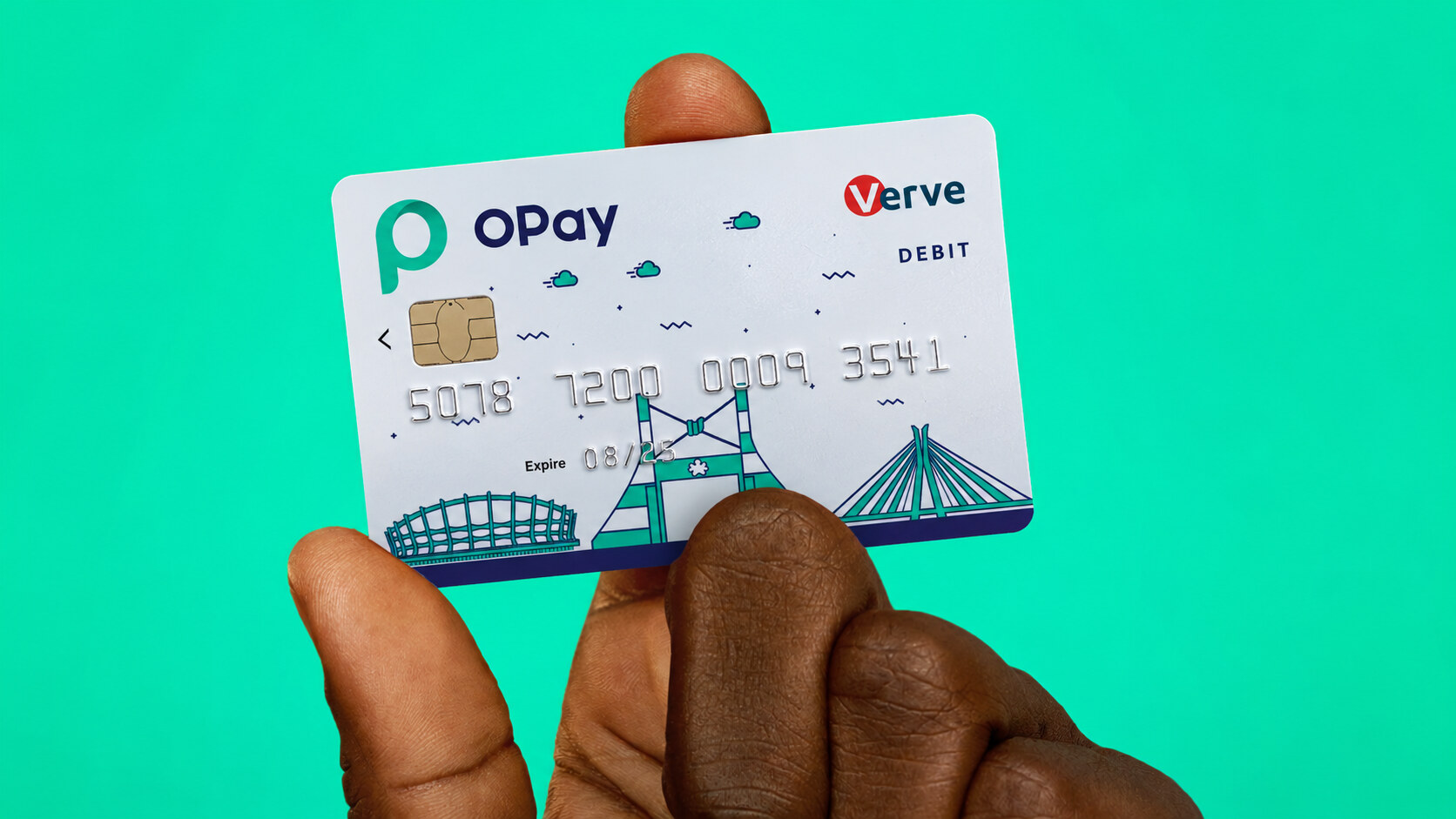
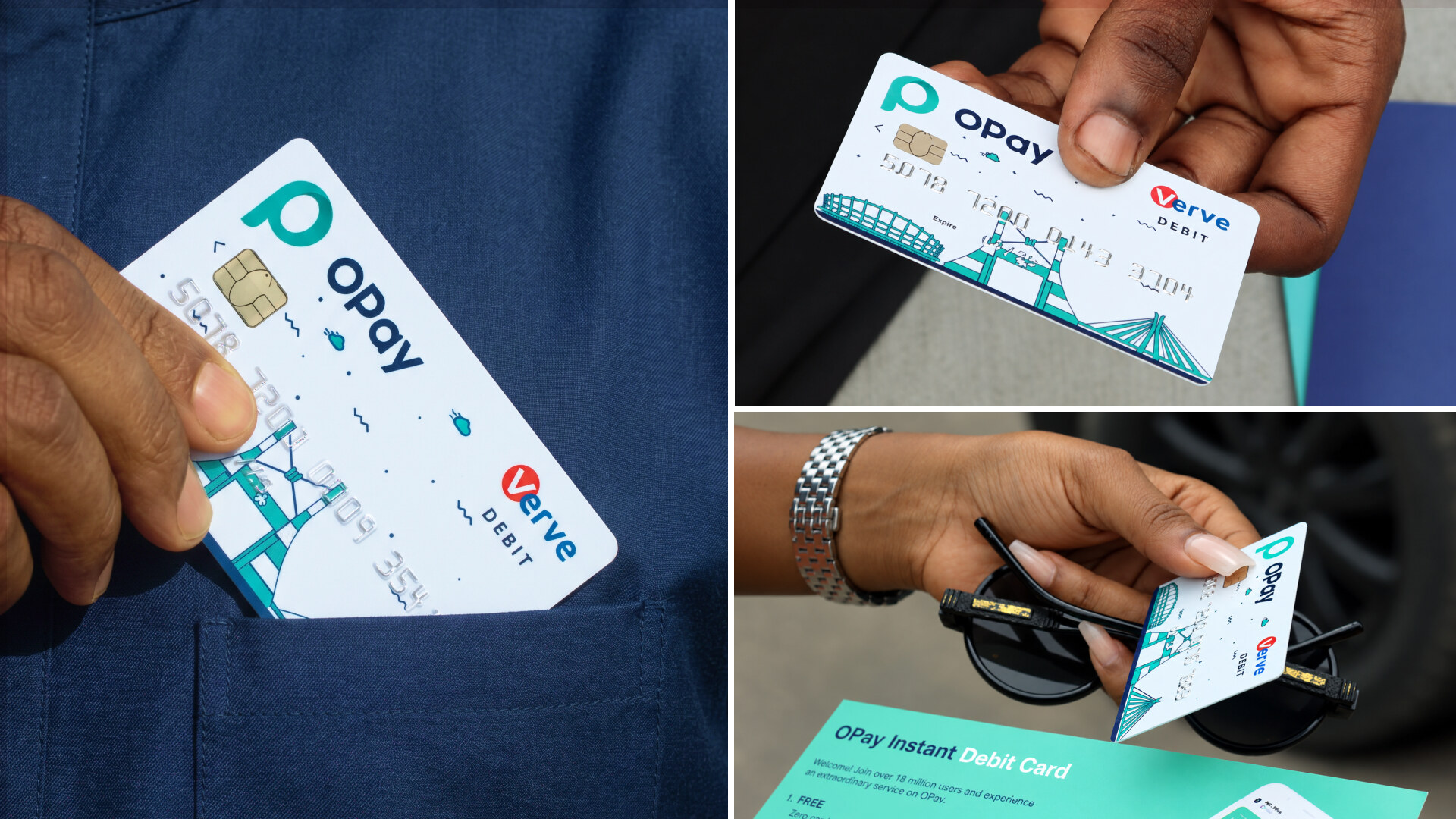
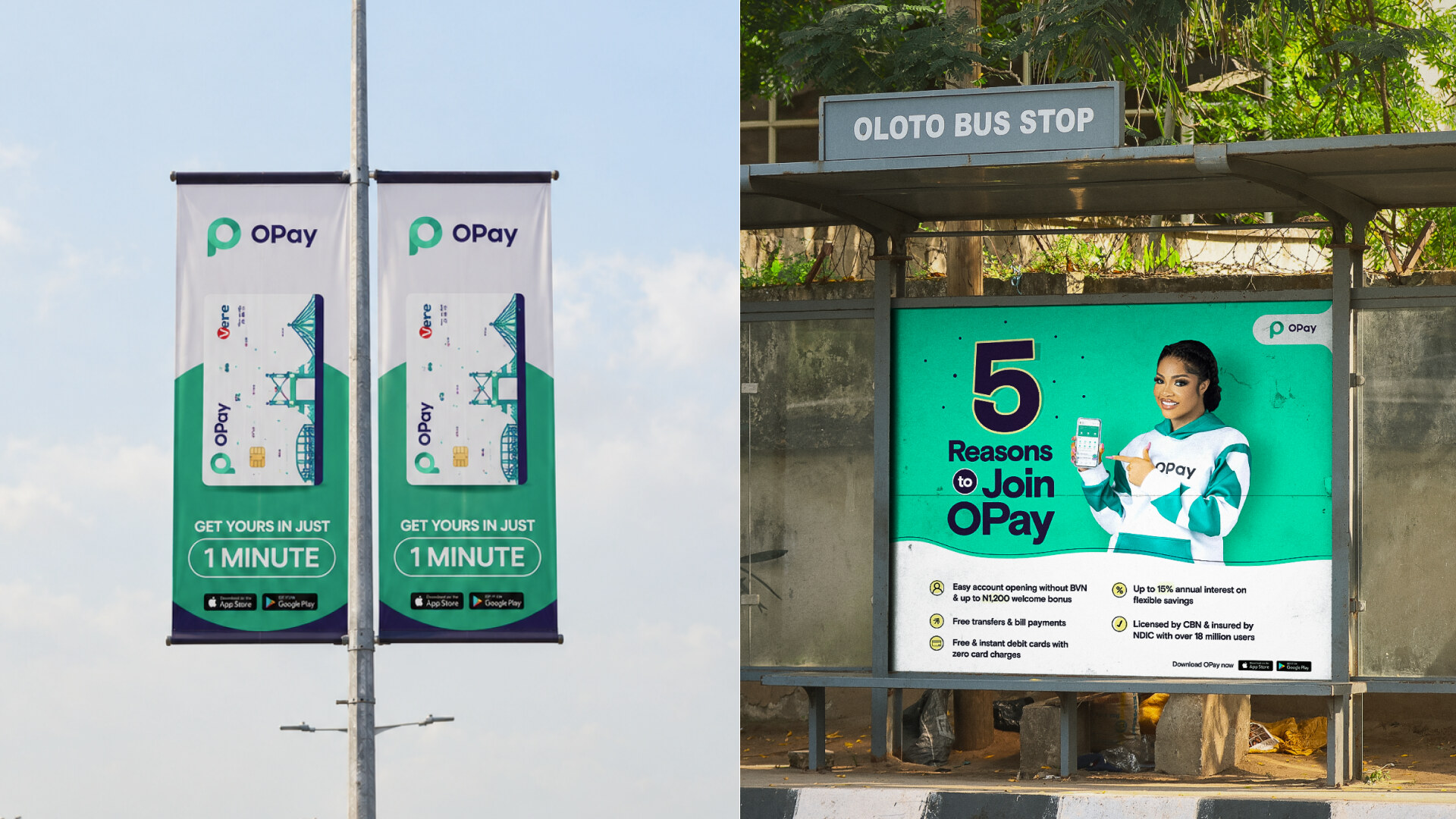
We built the card around landmarks: the Ikoyi Link Bridge, the National Theatre, the Abuja City Gate. You don't need to be design-literate to feel something about these. They're already on people's mental map of this country, and no brand colour can fake that.
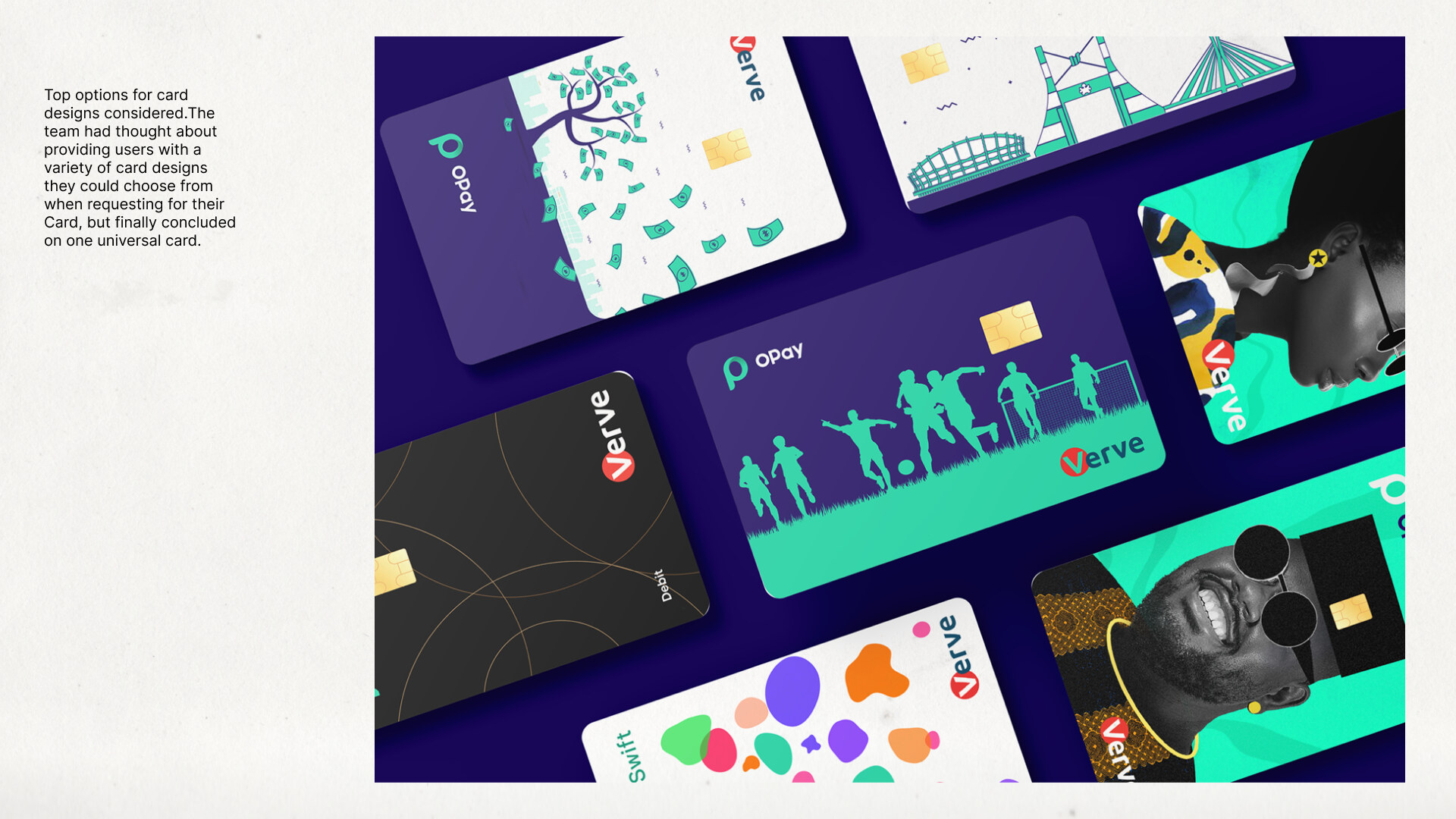
There were about thirteen other directions on the table. A money tree. A football concept. Something aimed squarely at Gen Z. Each had a logic. I wasn't certain we'd made the right call.
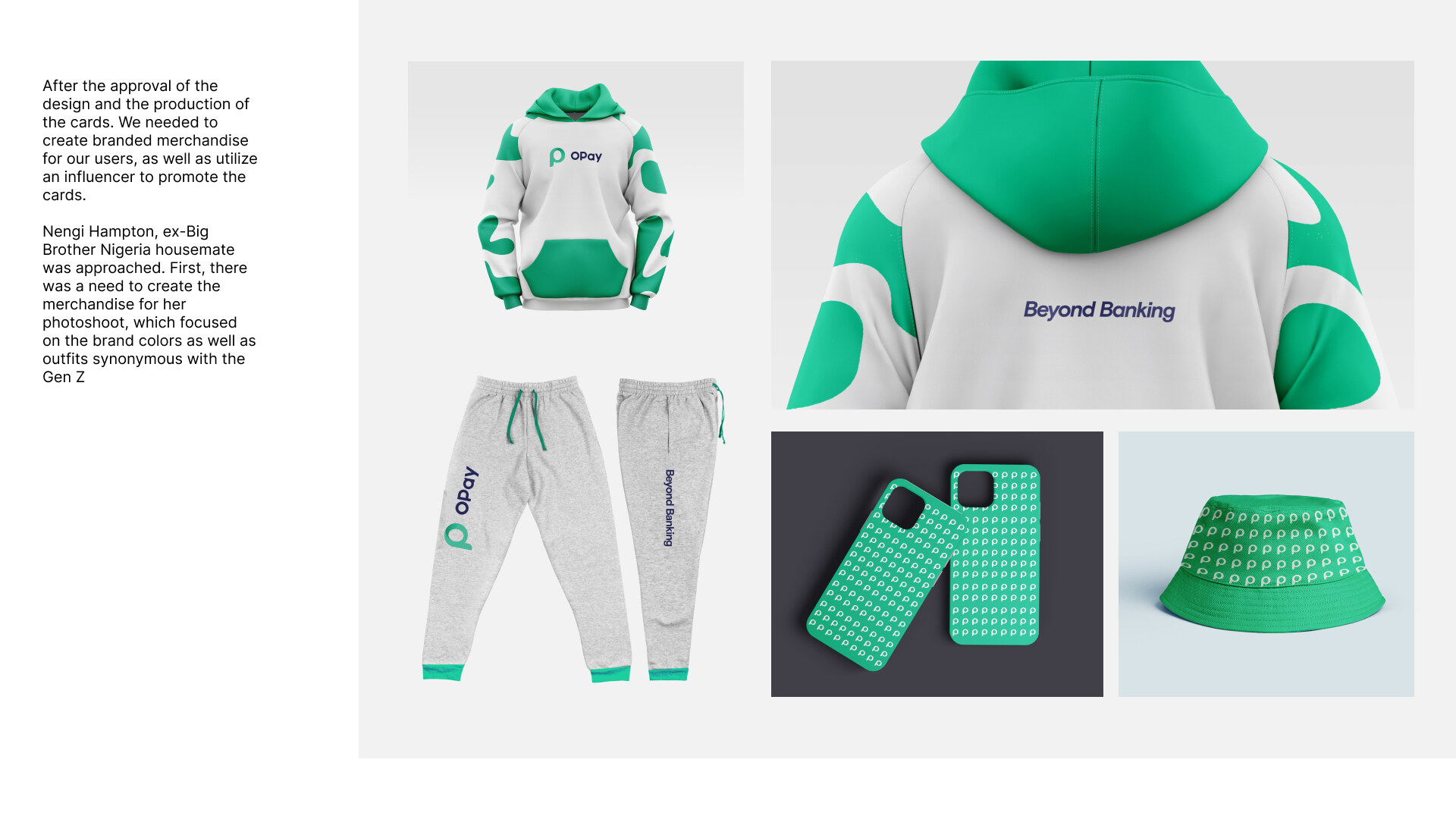
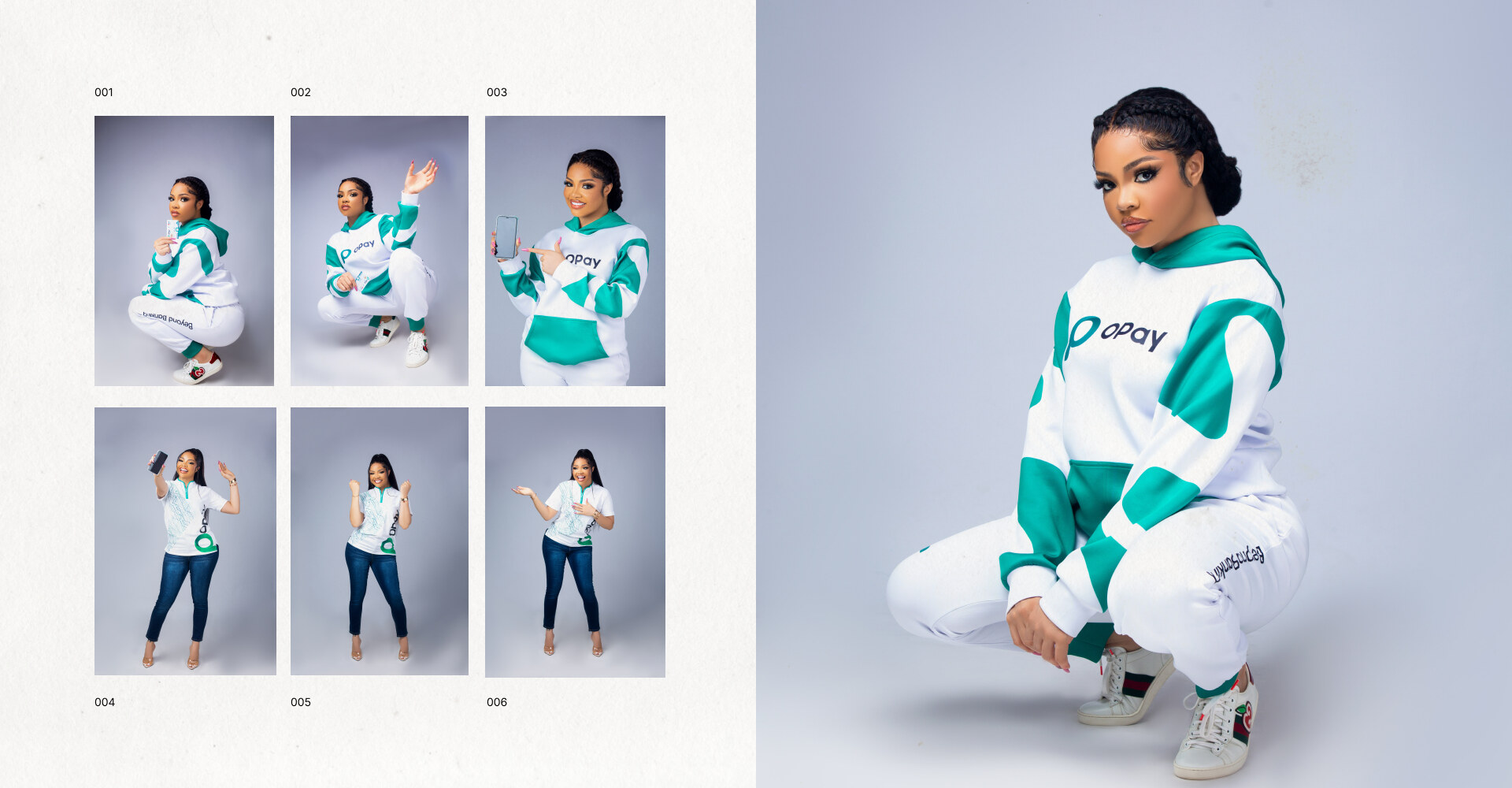
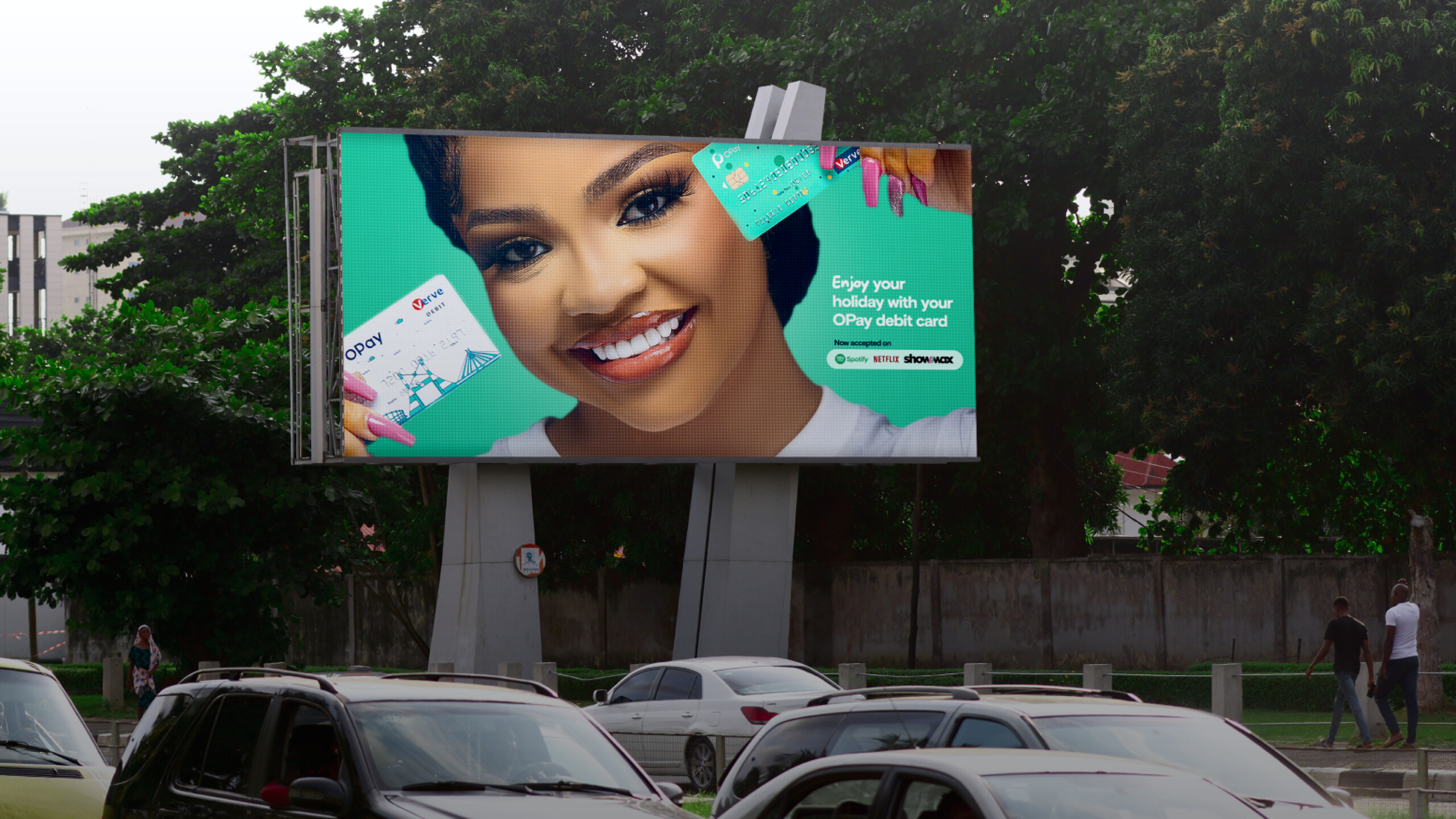
The campaign pushed further. We partnered with Nengi for the launch—two video shoots, custom brand apparel, set props, a mood board built around the card's visual world. Offline activations followed, including at the University of Lagos.
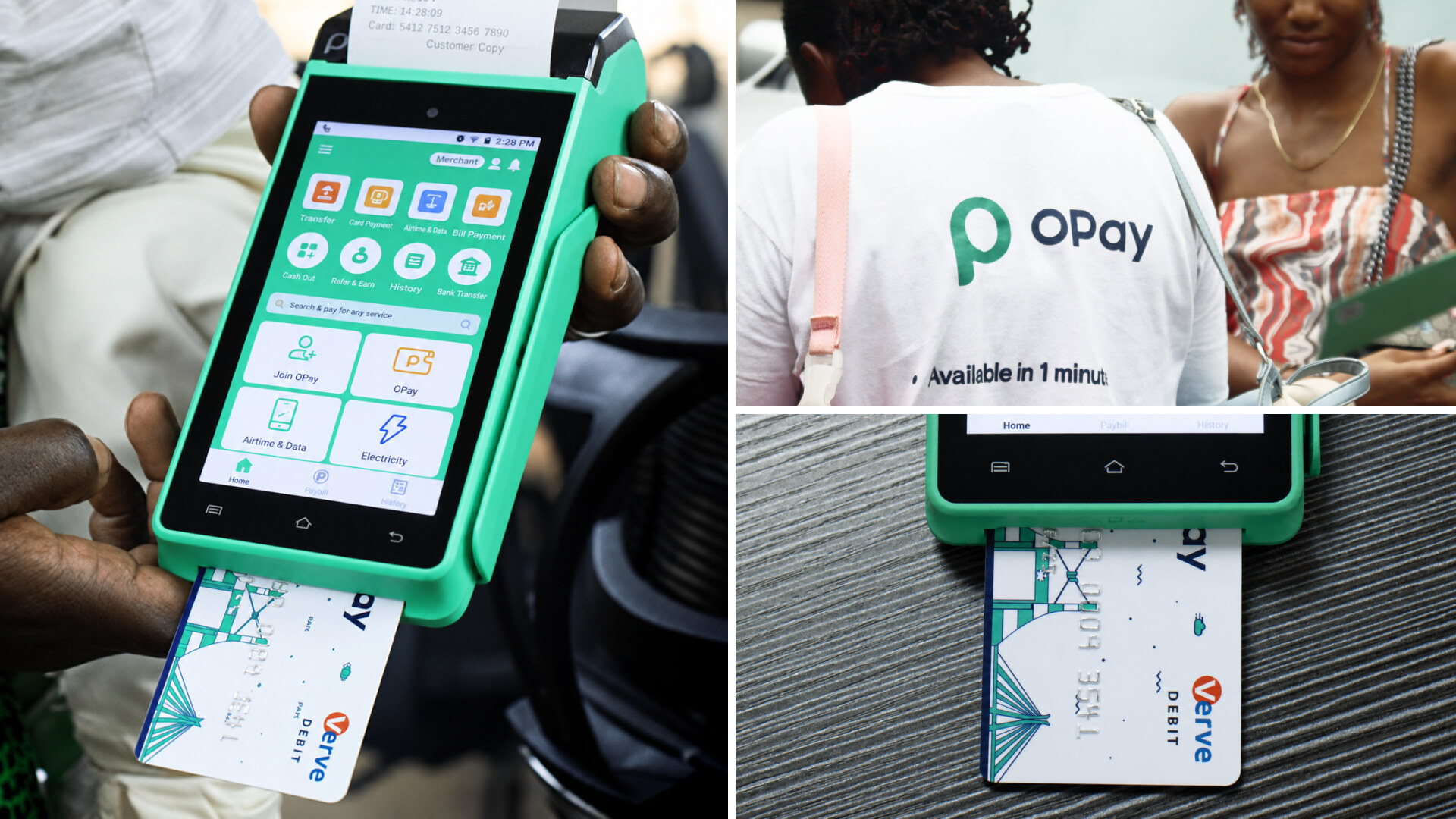
A few months after launch, I started seeing the card in places I didn't expect. In people's hands. On counters. Through phone cameras in markets.
That's when I knew we'd made the right call.

Cards issued in year one
Nationwide distribution
Users across the OPay ecosystem
Est. 8–13M cardholders since launch